
Introduction
In today’s eco-conscious world, energy efficiency has become a top priority for homeowners. One of the most effective ways to improve energy efficiency and maintain a comfortable home environment is through proper insulation. Insulation serves as a barrier to heat transfer, reducing energy consumption and lowering utility bills. Whether you’re building a new home or upgrading an older one, understanding the essentials of home insulation can help you make informed decisions.
What is Home Insulation and Why is it Important?
Home insulation refers to materials used to prevent heat loss or gain by creating a barrier between the inside of your home and the outside environment. Proper insulation ensures that your home stays warm in the winter and cool in the summer, reducing the need for excessive heating or cooling systems.
Benefits of Home Insulation
- Energy Savings: Well-insulated homes require less energy to heat or cool, resulting in significant cost savings on energy bills.
- Improved Comfort: Insulation helps maintain a consistent indoor temperature, eliminating hot and cold spots.
- Environmental Impact: Reduced energy consumption means a smaller carbon footprint, contributing to a greener planet.
- Noise Reduction: Insulation materials can dampen sound, providing a quieter living environment.
How to Determine if Your Home Needs Better Insulation
Many homeowners are unaware that their homes are under-insulated. Here are some signs that your home may need an insulation upgrade:
- High Energy Bills: If your utility bills are consistently high, poor insulation could be the culprit.
- Uneven Temperatures: Rooms that are significantly warmer or colder than others indicate heat transfer issues.
- Drafts and Air Leaks: Feeling drafts near windows, doors, or walls suggests gaps in insulation.
- Old or Deteriorated Insulation: Insulation materials degrade over time, reducing their effectiveness.
What Are the Different Types of Home Insulation?
There are various types of insulation materials to choose from, each suited for specific areas and needs:
1. Fiberglass Insulation
- Commonly used in attics, walls, and floors.
- Available in batts, rolls, and loose-fill forms.
- Affordable and easy to install.
2. Spray Foam Insulation
- Ideal for sealing gaps and cracks.
- Expands upon application, providing an airtight seal.
- Offers excellent thermal resistance.
3. Cellulose Insulation
- Made from recycled paper products.
- Eco-friendly and effective for irregular spaces.
- Often used in attics and wall cavities.
4. Rigid Foam Boards
- Suitable for insulating basements and exterior walls.
- Provides high thermal resistance with minimal thickness.
- Durable and resistant to moisture.
5. Mineral Wool Insulation
- Fire-resistant and excellent for soundproofing.
- Commonly used in walls and ceilings.
- Made from natural or recycled materials.
How to Choose the Right Insulation for Your Home
Selecting the appropriate insulation depends on various factors, including your home’s location, climate, and specific needs. Here are some considerations to keep in mind:
- R-Value: The R-value measures an insulation material’s thermal resistance. Higher R-values indicate better insulation performance.
- Climate Zone: Homes in colder regions require insulation with higher R-values, while moderate climates may need less.
- Area of Installation: Attics, walls, basements, and crawl spaces have different insulation requirements.
- Budget: While some insulation materials are more expensive upfront, they may offer long-term savings through energy efficiency.
What Are the Steps to Insulate a Home?
Proper installation is critical to the effectiveness of insulation. Here’s a step-by-step guide:
Step 1: Assess Your Home’s Insulation Needs
Conduct an energy audit or consult a professional to identify areas that need improvement.
Step 2: Choose the Right Insulation Material
Select a material that suits your home’s specific requirements and climate.
Step 3: Prepare the Space
Clear the area of debris, seal air leaks, and ensure proper ventilation before installation.
Step 4: Install the Insulation
Follow the manufacturer’s guidelines or hire a professional for precise installation.
Step 5: Inspect and Maintain
Regularly check your insulation for signs of wear or damage and address issues promptly.
Common Mistakes to Avoid When Insulating Your Home
To maximize the benefits of insulation, avoid these common pitfalls:
- Ignoring Air Leaks: Insulation is less effective if air leaks are not sealed beforehand.
- Overstuffing Insulation: Compressing insulation reduces its R-value and performance.
- Using the Wrong Material: Each area of your home requires a specific type of insulation.
- Neglecting Safety Measures: Always wear protective gear when handling insulation materials.
How Does Insulation Impact Energy Efficiency in Specific Locations?
Insulating Attics
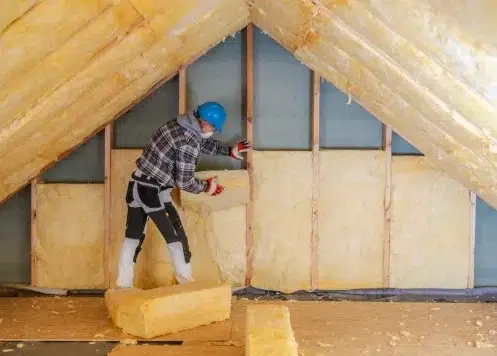
Attics are a major source of heat loss in homes. Adding insulation can significantly reduce energy consumption and improve indoor comfort.
Insulating Walls
Properly insulated walls act as a barrier against external weather conditions, maintaining a stable indoor temperature.
Insulating Basements and Crawl Spaces
These areas are prone to moisture and cold air infiltration. Insulating them can prevent drafts and reduce energy bills.
Insulating Windows and Doors
While insulation materials are not directly applied to windows and doors, sealing gaps and using weatherstripping can enhance efficiency.
FAQ Section
1. How do I know if my home is under-insulated?
Look for signs such as high energy bills, uneven room temperatures, drafts, and deteriorated insulation.
2. What is the best insulation material for attics?
Fiberglass and spray foam are popular choices for attic insulation due to their high thermal resistance.
3. Can I install insulation myself?
While DIY installation is possible, hiring a professional ensures accuracy and effectiveness.
4. How often should insulation be replaced?
The lifespan of insulation varies by material, but most types last 15-20 years with proper maintenance.
5. Does insulation help with noise reduction?
Yes, insulation materials like mineral wool can dampen sound, creating a quieter environment.
Conclusion
Proper home insulation is a vital investment that enhances energy efficiency, comfort, and environmental sustainability. By understanding the types of insulation available and following best practices, you can make informed decisions to improve your home’s performance. Whether you’re upgrading existing insulation or starting from scratch, taking the time to choose the right materials and methods will pay off in the long run.