Attic Insulation in New Jersey
A More ComfortableHome Starts inYour Attic
From removing old insulation to air sealing and installing new insulation, we help New Jersey homeowners keep their homes warmer in winter and cooler in summer.
CLICK HERE TO GET A FREE ESTIMATE →
Request a free estimate
We will never share your information.
"*" indicates required fields
No obligation. Just answers.
A Straightforward Approach
Let’s make attic insulation a little less confusing.
So, you’re looking at replacing or upgrading your attic insulation and somehow landed on our page. I get it — it can feel pretty confusing and overwhelming trying to figure out the right way to insulate your home, which material actually makes sense for you, what the current R-value requirements are in NJ, and a bunch of other questions.
I’ll try to clear a few of those up for you as simply as possible.
What thickness do you actually need?
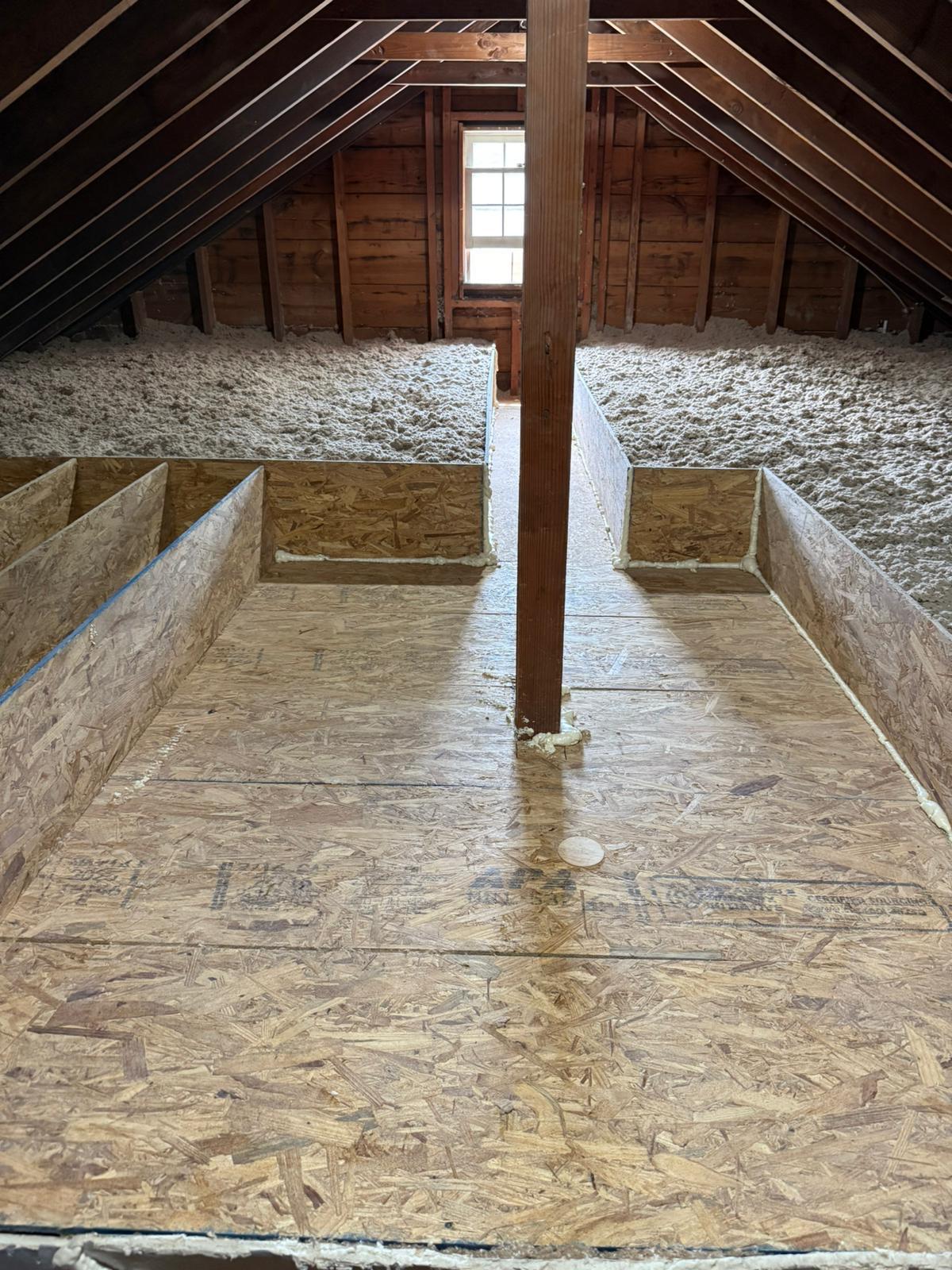
In NJ today the code calls for R-60 in an open attic. The minimum is R-49, but the code is R-60 and that’s what we recommend, especially if the attic has already been cleaned out and you’re starting fresh with no old insulation left behind.
What materials are we talking about?
There are three materials you’ll most commonly see in residential attics:
- Fiberglass batts (rolls)
- Blown-in fiberglass (the stuff that looks like cotton candy)
- Blown-in cellulose (the gray recycled paper material)
There are a few more exotic options out there, but for most homeowners the decision comes down to one of these three.
We install and sell all three at the exact same price.
The reason is simple: we want you to choose based on the technical performance and the results you want and not on which one happens to be cheaper that day.
What kind of savings and comfort can you expect?
Most of our clients see a 15% to 30% reduction in their heating and cooling bills after we properly air-seal their attic and bring it up to a true R-60 insulation level. If your current insulation is old, thin, or heavily deteriorated, you can expect your savings to sit comfortably at the higher end of that range. Your exact return depends on your current layout and heating system, but air sealing combined with R-60 remains one of the highest-ROI investments you can make in your property.
Beyond the financial savings, your day-to-day comfort will improve dramatically. Issues like an overheated second floor in summer or a cold, drafty first floor in winter will become a thing of the past.
For the more tech savvy homeowner, I compiled a side-by-side comparison for you to see
With excellent state utility programs offering rebates and 0% financing, there has never been a more affordable time to upgrade your home
Reach out to our team today. We are here to help you find the perfect solution for your home and family.
Insulation Comparison
Attic Insulation Comparison for R-60
Side-by-side: Fiberglass Batts | Blown-in Fiberglass | Blown-in Cellulose — after air sealing and old insulation removal.
Swipe to compare materials →
| Category | Fiberglass Batts | Blown-in Fiberglass | Blown-in Cellulose — Our Preference |
|---|---|---|---|
| R-value / inch — Depth for R-60 | R-3.0–3.7 (~20″ stacked layers) | R-2.2–2.7 (~25″) | R-3.2–3.8 (~16″) |
| Coverage & Performance (air sealing / gaps) | Poor – gaps around wires, pipes, joists common | Good – fills around obstacles, but still air-permeable | Best – dense pack around penetrations, reduces convection |
| Efficiency / real-world | Often underperforms due to gaps & wind washing | Solid if deep enough; minimal settling (1–3%) | Highest effective R; can save 15–25% more energy vs. fiberglass at same nominal R |
| Sound penetration | Fair (NRC ~0.85–0.95) | Fair–Good (NRC ~0.70–0.80) | Best (denser, NRC ~0.80–0.90; better STC) |
| Health / ingredients | Glass fibers – skin/lung irritant during install; PPE needed | Same glass fibers – dust/irritation during install | Recycled paper + borates (low toxicity, similar to table salt) |
| Mold resistance | Inorganic – doesn’t feed mold, but can trap moisture | Same – won’t support mold itself | Borate-treated – resists mold; hygroscopic (absorbs/releases moisture) |
| Fire resistance | Non-combustible (melts ~1300–1500°F); Class A | Non-combustible; Class A (low smoke) | Borate-treated Class A; chars in place |
| Rodent / pest resistance | Poor – rodents love nesting in it | Poor – easy to tunnel/nest | Good – borate deters insects & mildly deters rodents |
Conclusion for R-60 attic insulation
after air seal & cleaning:
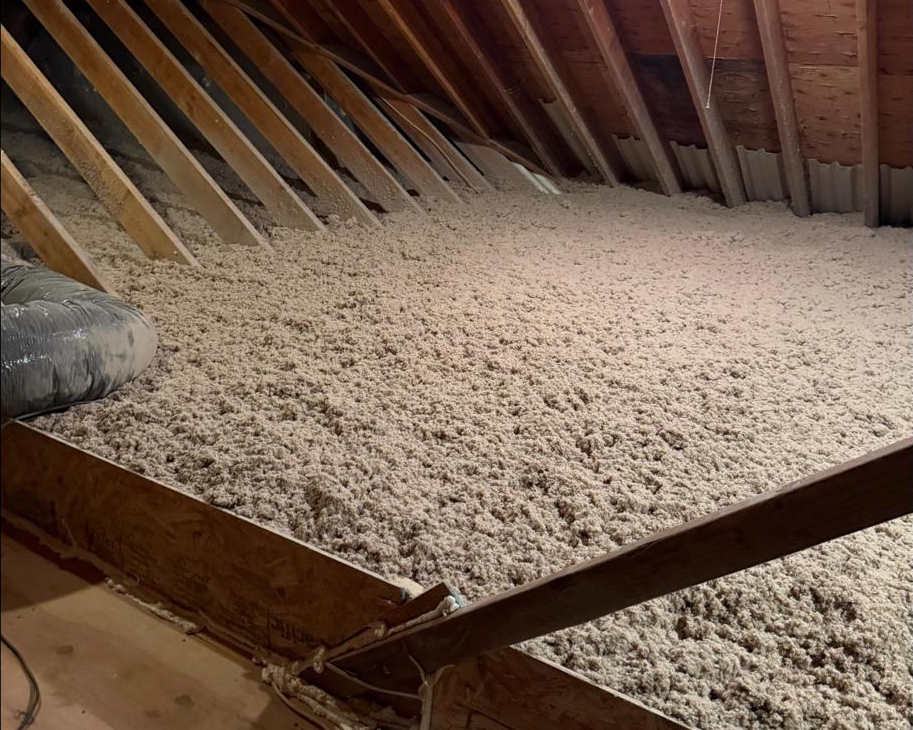
Blown-in cellulose usually wins for most attics — higher R-per-inch, better coverage around penetrations, superior air-leakage control, better sound and pest resistance, and strong fire performance thanks to borates. Blown-in fiberglass is a close second if you want lighter weight, almost zero settling, or lower moisture risk. Fiberglass batts are the cheapest, DIY-friendly option, but they leave gaps and underperform in real attics. Always air-seal first — insulation alone can’t fix air leaks.
Get help paying for your attic upgrade
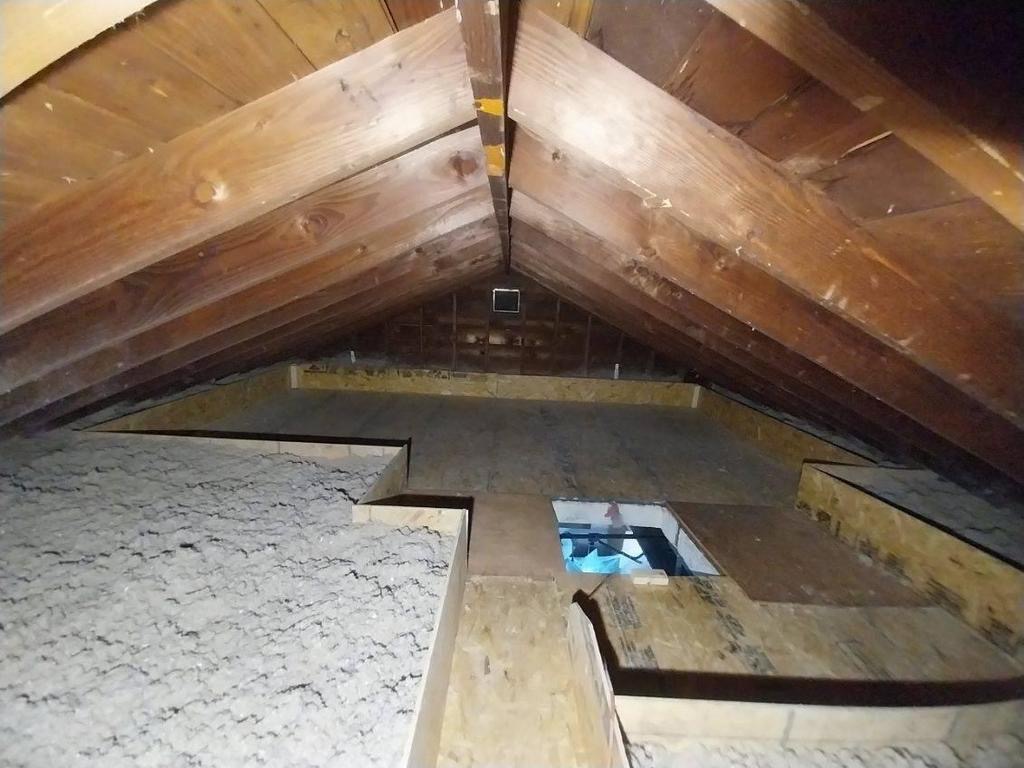
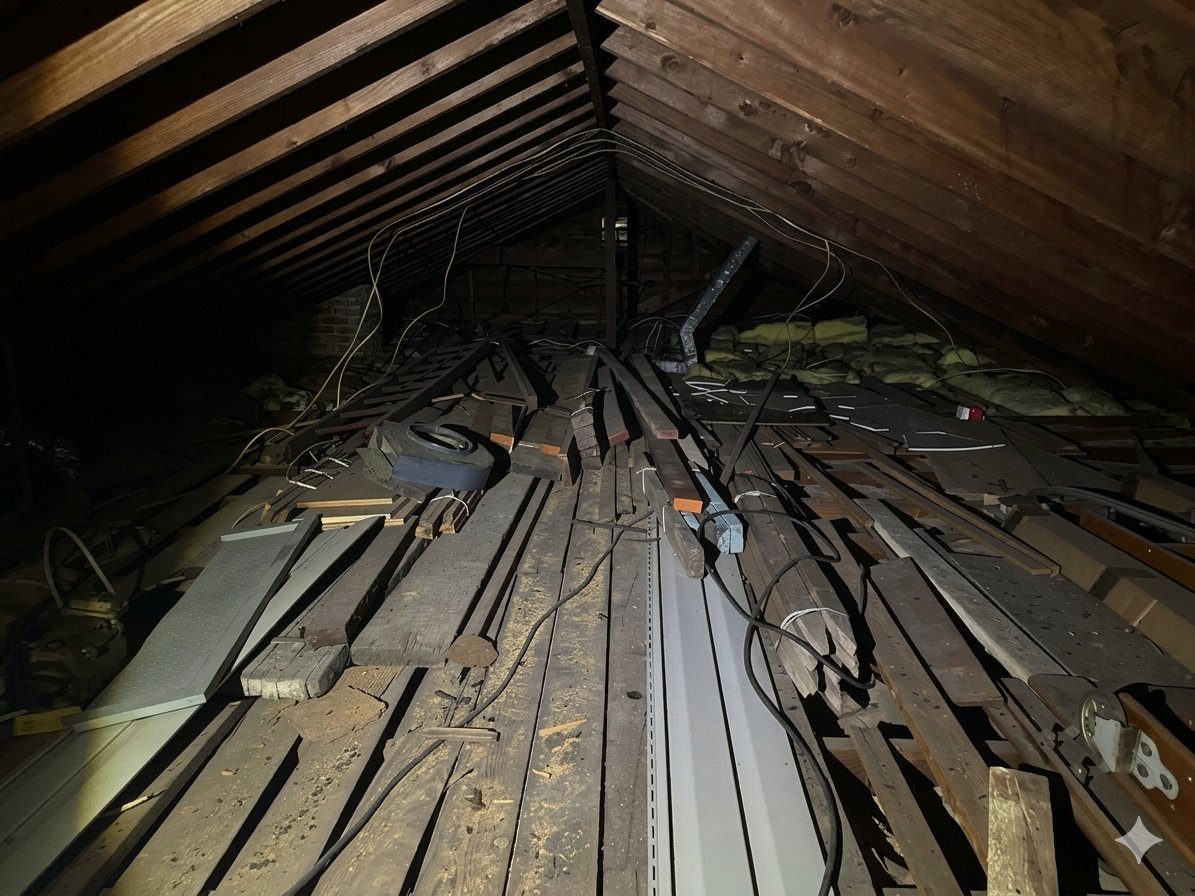
The Difference Is Clear
See the transformation.

The Benefits
Energy Efficiency and Comfort Benefits
Your attic has a major impact on the comfort and energy efficiency of your entire home. Air sealing closes the gaps that allow heated and cooled air to escape, while properly installed insulation slows the transfer of heat between your living space and the attic. Together, these improvements help maintain more consistent temperatures, reduce drafts, lower heating and cooling costs, and place less strain on your HVAC system throughout the year.
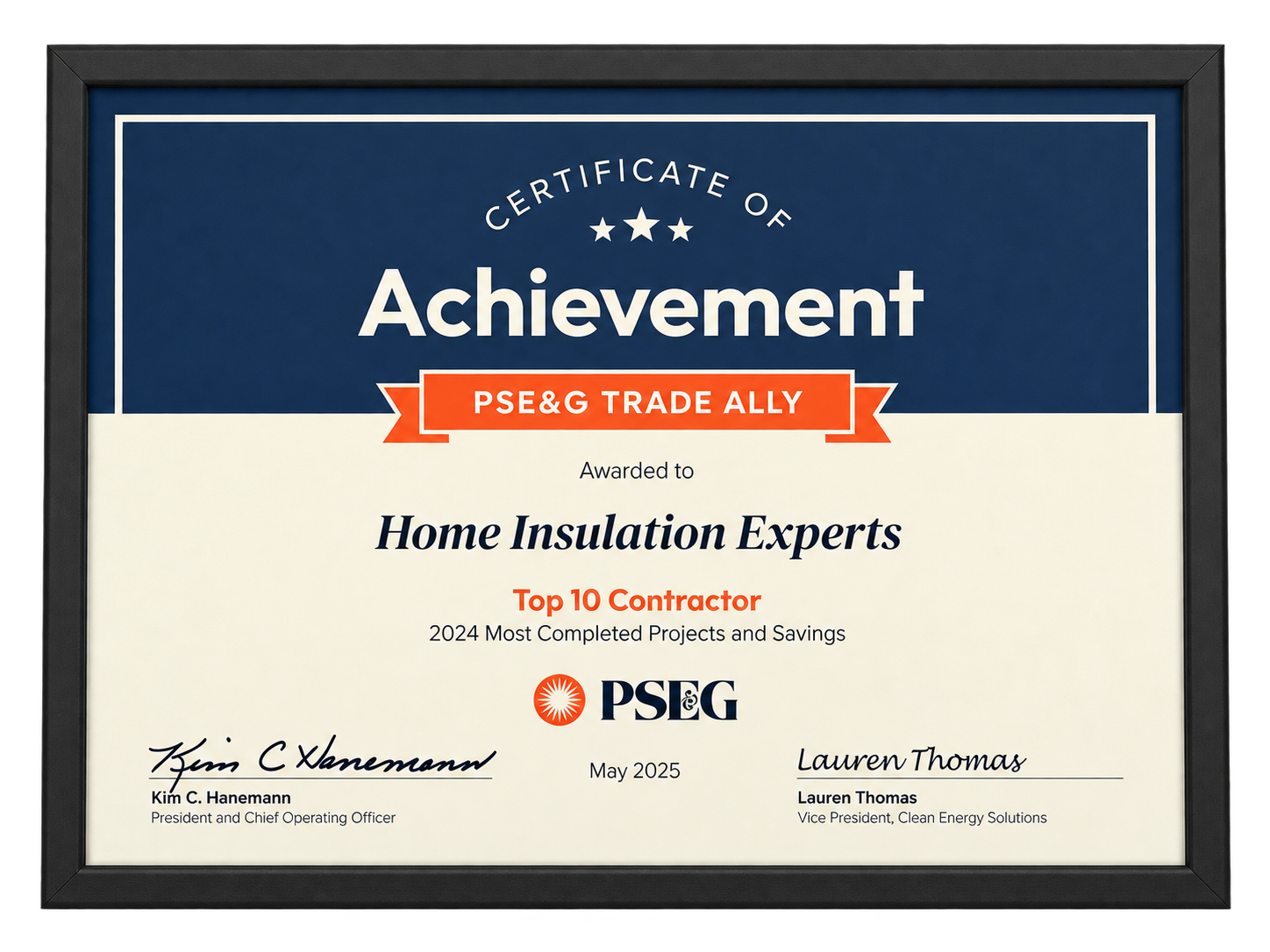
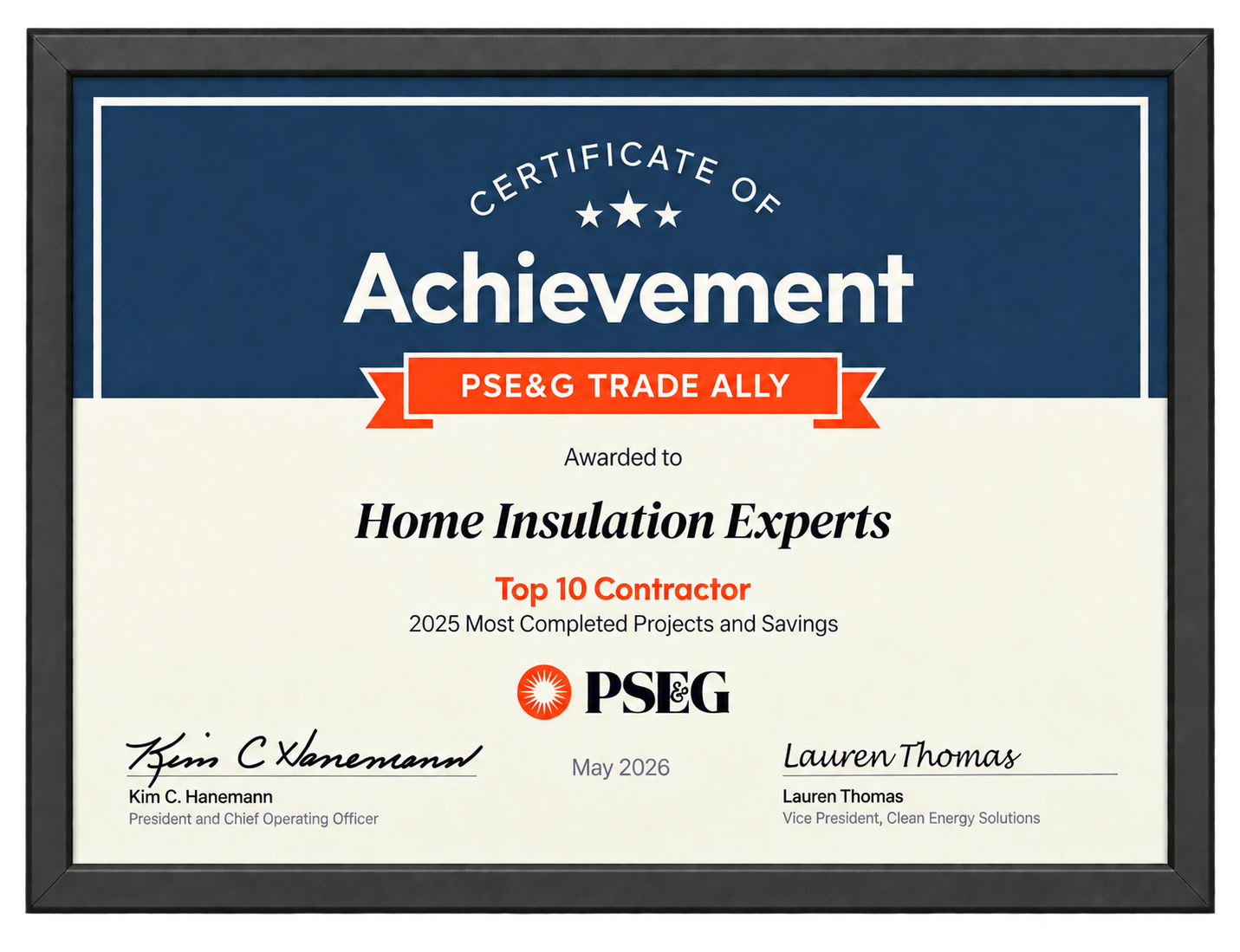
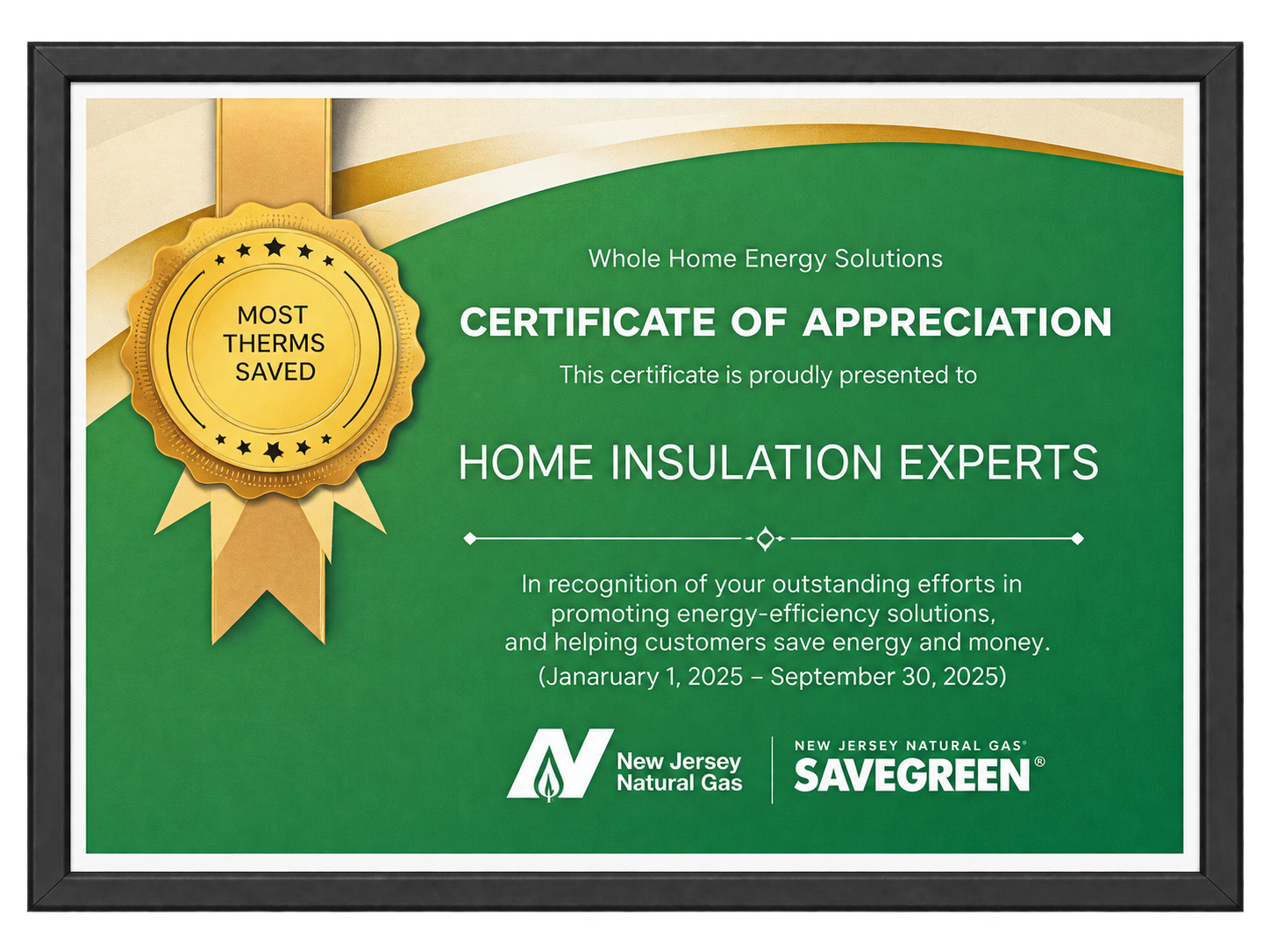
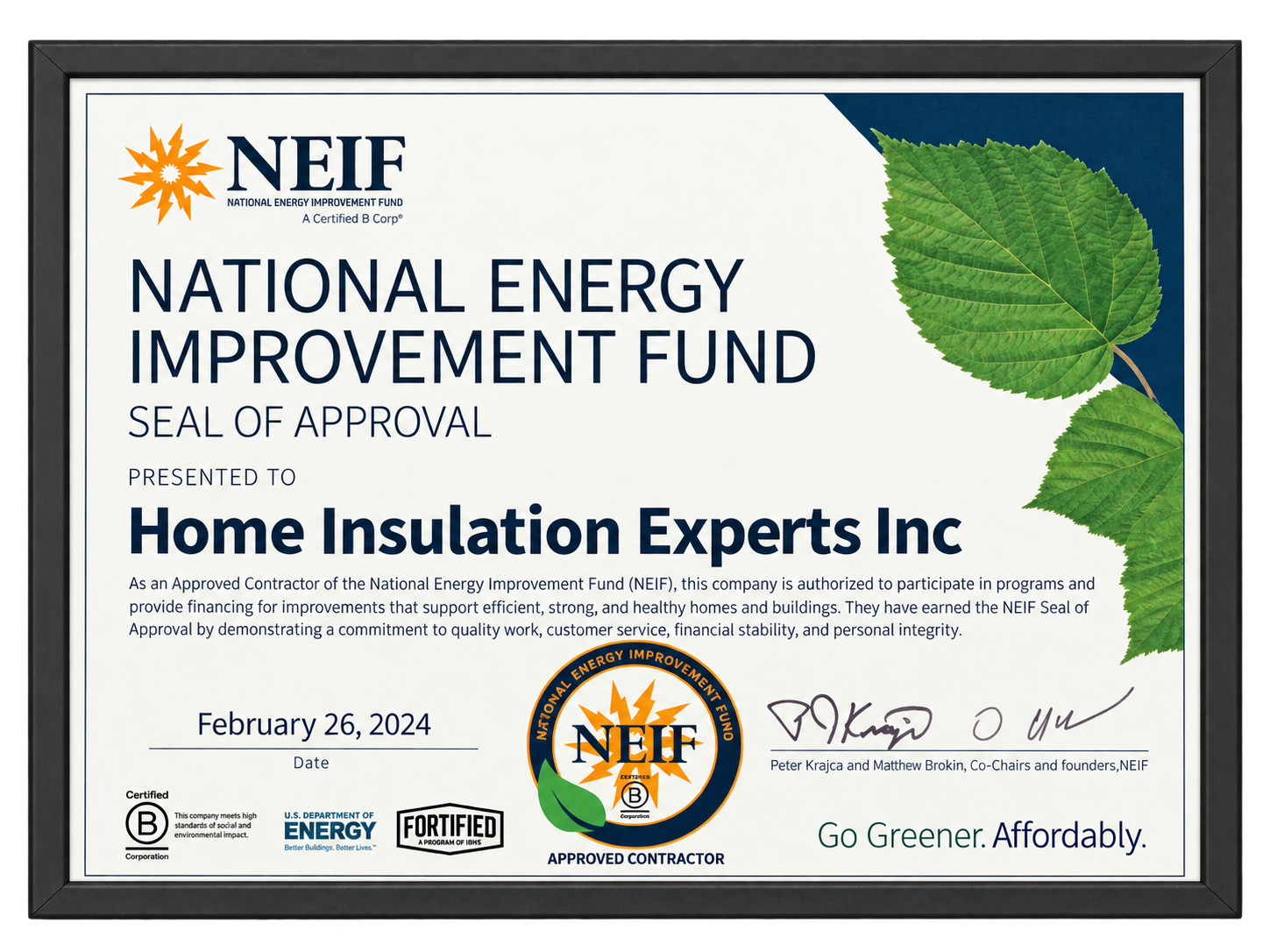
Some of Our Awards and Achievements
Our Customer Reviews
What New Jersey Homeowners Say



Frequently Asked Questions
We generally recommend blown-in cellulose for open attics because it provides excellent coverage around framing, wiring, pipes, and other obstructions. Cellulose is also treated with borates, which improve its resistance to fire, mold, and pests. However, we will review all three options and help you choose the material that is best suited to your home.
It depends on the condition of your existing insulation. We first determine whether it is damaged, contaminated, heavily deteriorated, or preventing access to areas that need to be air-sealed. Removal is often recommended when the existing insulation prevents the attic from being properly cleaned, prepared, and air-sealed.
Some settling is normal with loose-fill insulation. We install the selected product according to the manufacturer’s required coverage, depth, and settled R-value specifications to ensure that the finished installation delivers the intended performance.
Yes. Cellulose insulation is primarily made from recycled paper fibers and treated with borate compounds for fire, mold, and pest resistance. It is widely used in residential homes and is considered safe when installed correctly and in accordance with the manufacturer’s instructions.
The insulation products we install are designed and tested for residential use and carry a Class A fire rating. Cellulose is treated with fire-retardant borates, while fiberglass is naturally noncombustible. We also maintain all required clearances around recessed lights, chimneys, flues, and other heat-producing equipment.
Yes. Air sealing is one of the most important parts of the project. Before installing new insulation, we seal accessible gaps and penetrations where conditioned air can escape into the attic. We use the appropriate air-sealing materials and maintain all required safety clearances.
The schedule depends on the size and accessibility of the attic, whether old insulation must be removed, and how much preparation and air sealing are required. Many attic projects can be completed within one to two days, but we will provide a more accurate timeline after inspecting your home.
Yes, but stored items should be placed on a properly built and elevated storage platform. Placing items directly on the insulation will compress it and reduce its effectiveness. During your home visit, we can discuss your storage and attic-access needs.
Yes. Home Insulation Experts participates in New Jersey utility programs that may offer rebates and 0% financing for qualifying insulation, air-sealing, HVAC, and energy-efficiency improvements. Eligibility and available incentives depend on your utility provider, the proposed improvements, and current program requirements.
Most of our clients see approximately a 15% to 30% reduction in heating and cooling costs after their attic is properly air-sealed and upgraded to a true R-60 insulation level. Actual savings will vary depending on the home’s existing insulation, air leakage, heating and cooling equipment, energy usage, and overall condition.
Yes. When insulation removal is included in the project, we carefully remove the old material, bag it, take it out of the home, and transport it to an appropriate disposal facility. We also clean and prepare the attic so that the air-sealing and new insulation can be installed properly.